Tuğrulcan Elmas@tj· oyun
Bu sayfaya viral tarayıcı oyunum Berlin Kongresi için gelmiş olabilirsin. Oynamak için tıkla.
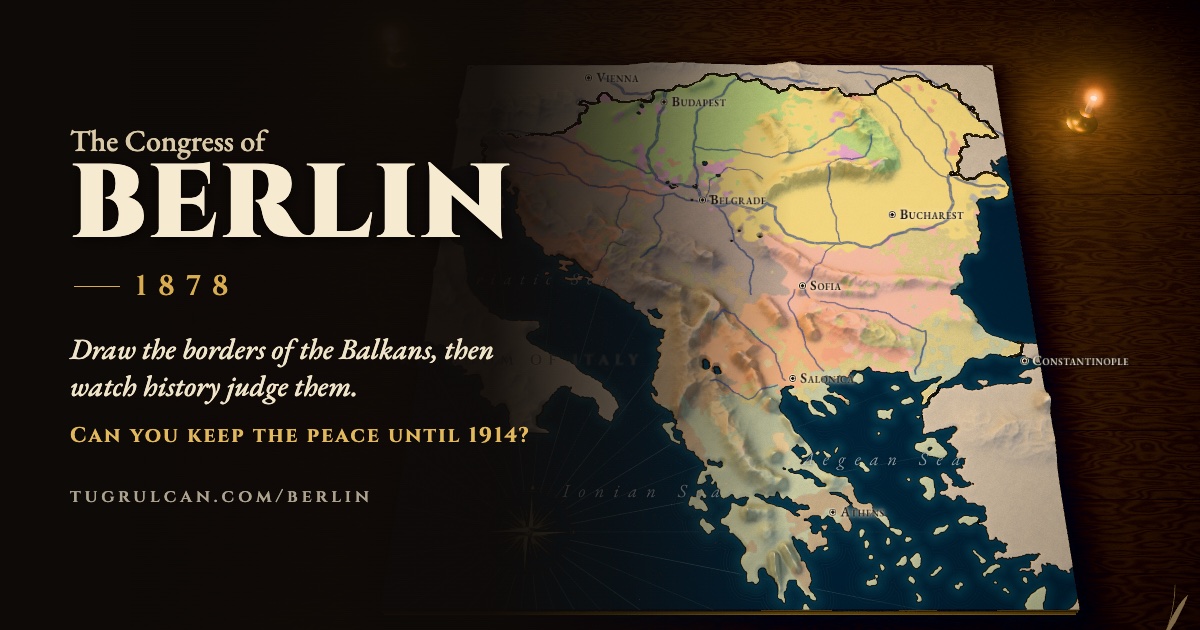 tugrulcan.com/berlin

Onaylı insan
Bu rozet satın alınmadı, kazanıldı. Dosyadaki belgeler: botlar, troller, sahte trendler ve sentetik medya üzerine 32 makale, bunların 15 tanesinde ilk yazar, ve ele geçirilmiş hesaplar üzerine bir doktora.
Doğrulama yöntemi: hakem değerlendirmesi. Abonelik gerekmez.
@tj
Dr. Öğretim Üyesi · Bilişim Fakültesi, Edinburgh Üniversitesi
Yapay zekâ ve sosyal medya üzerine çalışıyorum: sahte ve yapay zekâ ile üretilmiş içeriği tespit etmek, insan ile yapay zekâ arasında verimli bir diyalog kurmak, bilimi ve eğitimi otomatikleştirmek.
Sabitlendi
Yeni viral oyunum Schengen Simulator çıktı. İlk gününde 10.000 oyuncuya ulaştı! Hemen oyna.
 tugrulcan.com/schengen
Bu sayfaya viral tarayıcı oyunum Berlin Kongresi için gelmiş olabilirsin. Oynamak için tıkla.
tugrulcan.com/berlin
ICWSM Program Eş Başkanı oldum
icwsm.orgInternational AAAI Conference on Web and Social Media (ICWSM) 2027Yusuf Mücahit Çetinkaya ile birlikte Can LLMs Give Relationship Advice? projesi için Generative AI Lab tohum fonu aldık: çevrimiçi ilişki anlatıları ve yapay zekânın ürettiği tavsiyeler üzerine kuramsal temelli ilk büyük ölçekli veri seti
gail.ed.ac.ukGenerative AI Lab Seed FundingUnderstanding Society with Big Data: Computational Social Science dersim Edinburgh Üniversitesi Öğretim Ödülü'ne aday gösterildi
YouTube kanalımda Türkçe videolar da çekiyorum: youtube.com/@tugrulcan
youtube.comDr. Tuğrulcan ElmasTürkçe kanalArkasındaki makaleleri görmek için bir etikete tıkla.
Analysis of 270k Reddit posts shows AI-in-education discourse shifted from detection-evasion to enforcement — adversarial integrity disputes, mostly student-initiated, dominate the rare cross-role faculty-student contact
Özet
Generative Artificial Intelligence (GenAI) has prompted significant discussion in education, yet large-scale empirical evidence on how students and teachers perceive and navigate this shift remains limited. We analyse 270k AI-related Reddit posts and comments from 26 education-related subreddits spanning higher education, K-12 teaching, and professional training between November 2022 and April 2026. Topic modelling reveals seventeen themes covering academic integrity, teaching & pedagogy, career anxiety, policy, and niche professional contexts. Discourse evolves from an early detection-and-evasion arms race into a sustained enforcement regime that constructive integration only begins to challenge in mid-2024. Stakeholder communities differ sharply: K-12 teachers foreground cognitive dependency, academics focus on AI detection and deliberation, and professional-programme students concentrate on career anxiety. Sentiment correlates strongly negatively with engagement, showing adversarial enforcement themes mobilise communities far more than constructive integration discourse. Examining where faculty and students meet, we find 17% of threads are cross-role, and one third of such contact occurs in the adversarial themes AI Detection and Misconduct Enforcement. Students initiate 68% of mixed threads, but faculty produce most cross-role replies. Mixed threads contain 2-3 times more records and last 2-4 times longer than same-role threads, making adversarial integrity disputes the center of sustained faculty-student contact. We discuss implications for governance, pedagogical design, and cross-role contact design. The code and data is available
Over a million Botometer queries show public bot suspicion spikes during platform crises like the Musk-Twitter dispute and tracks real automation signals — query logs are a new lens on audit-tool use
Özet
We study private bot-checking behavior from the demand side: when people suspect an account is automated, whom they suspect, and what follows. Using Botometer's server-side query logs, the most widely used bot-detection service, we treat each query as a behavioural trace of suspicion. We analyze over 1 million public checks of Twitter accounts from 2020 to 2023, enriched with 3.2 billion tweets from the contemporaneous 1% public stream. Collective suspicion spikes with platform crises, most sharply around the 2022 Musk-Twitter bot dispute. Checked accounts are older and more prolific, have more followers, and post promotional, political, and crypto content. Accounts that draw collective suspicion have higher bot scores and are more likely to be suspended. Bot-related public attention and Botometer activity are elevated during the same broad periods, although their short-run fluctuations are largely uncoupled. Public feedback focuses on first-person identity claims for humans, and evidence-based arguments citing posting rate, political content, and cross-account coordination for bots and cyborgs. Bot suspicion thus constitutes a mass, distributed form of platform auditing that tracks meaningful signals of automation, establishing audit-tool query logs as a novel lens on public responses to platform manipulation.
Reddit's r/RealOrAI community collectively spots AI-generated media with 72% accuracy despite individuals relying mostly on surface-level perceptual cues rather than rarer provenance checks
Özet
We study human AI-detection behaviour at scale using a year of activity from r/RealOrAI, a Reddit community where users collaboratively assess whether visual media is real or AI-generated. The community is moderated by a bot that solicits verified labels from submitters of self-challenging "[GUESS]" posts and publishes an aggregate community prediction for each post, yielding naturalistic ground truth at scale. Community detection accuracy reaches 72% on [GUESS] posts with a systematic false-positive bias that intensifies over the year as the community's AI-suspicion grows. Using a six-LLM ensemble validated against human-annotated ground truth, we classify 10k reasoning-bearing comments along six cues covering perceptual features, context, consistency, AI knowledge, subject-matter expertise and provenance (tracing the media to its source). Perceptual features (scene, visual artifacts, anatomy physics, lighting, behavior, text, audio) dominate reasoning (70%) while provenance verification is rarest (4%) at the individual level but is amplified 4.3x in community summaries, revealing aggregation as a reliability filter that selectively surfaces diagnostic evidence. These findings reveal the limits of heuristic-based detection and show how online communities collectively navigate an increasingly contested information environment.
At least 20% of Twitter's global top-10 trends are fake — coordinated accounts inflate topics then delete all traces, leaving no evidence of manipulation
9 yayın organında haber oldu
The Next WebACM TechnewsLe TempsMashable MEAtlanticAnadolu AgencyMilliyetHacker NewsEkşi Sözlük
Özet
We uncover a previously unknown, ongoing astroturfing attack on the popularity mechanisms of social media platforms: ephemeral astroturfing attacks. In this attack, a chosen keyword or topic is artificially promoted by coordinated and inauthentic activity to appear popular, and, crucially, this activity is removed as part of the attack. We observe such attacks on Twitter trends and find that these attacks are not only successful but also pervasive. We detected over 19,000 unique fake trends promoted by over 108,000 accounts, including not only fake but also compromised accounts, many of which remained active and continued participating in the attacks. Trends astroturfed by these attacks account for at least 20% of the top 10 global trends. Ephemeral astroturfing threatens the integrity of popularity mechanisms on social media platforms and by extension the integrity of the platforms.
Sahte trendler, botlar ve yapay zekâ üzerine araştırmalarımın İngilizce, Türkçe ve Fransızca basındaki yansımaları.
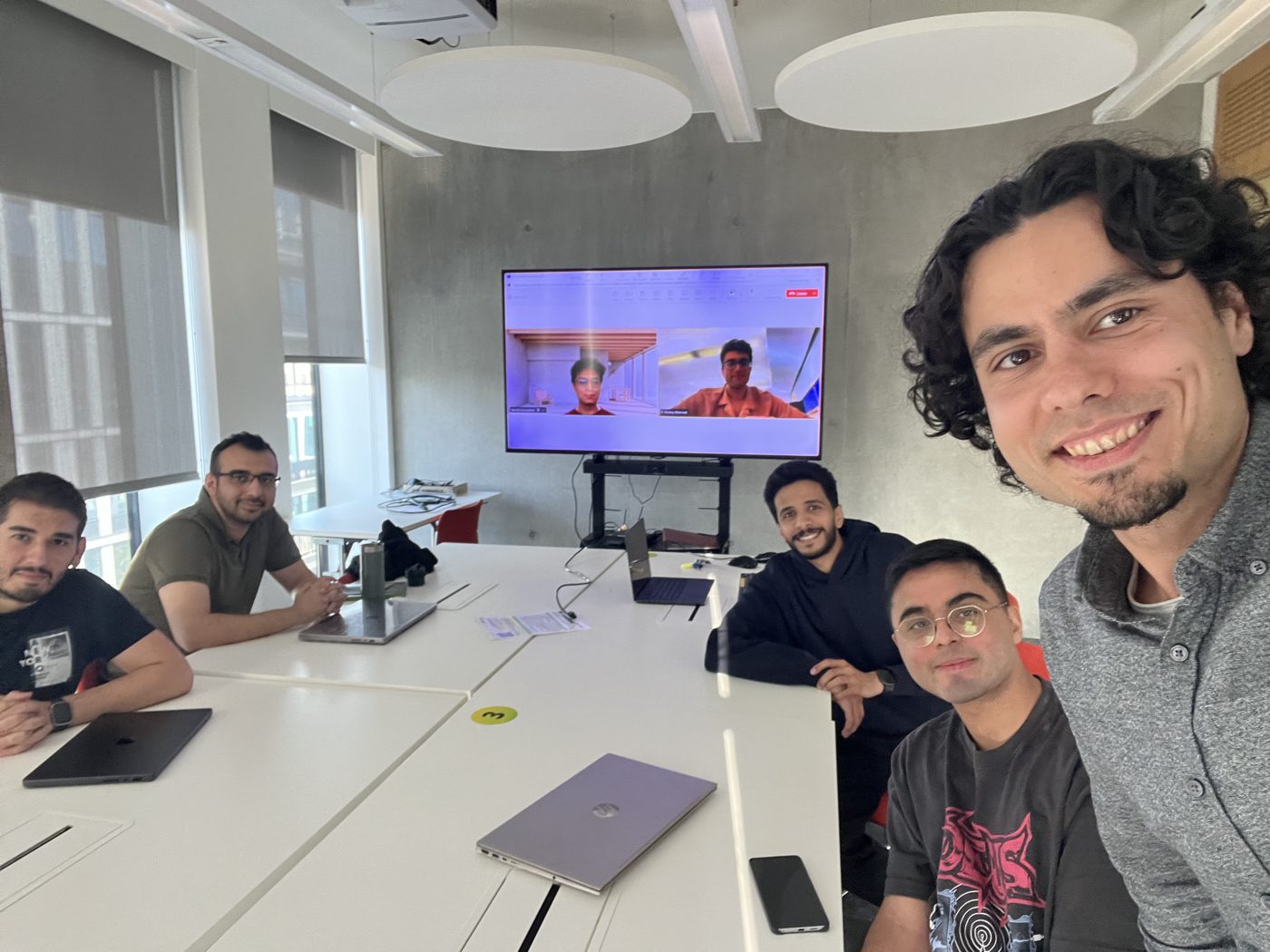
TRLLAB · bağlı olduğu grup SMASH
Troller, botlar, yapay zekâ, karşılık veren dil modelleri ve bilim yapan ajanlar. TROLLAB değil!
Lab üyeleri. Hepsi insan, kontrol ettik.






Tuğrulcan Elmas yeniden paylaştı
Across 14 models and 32,340 responses to user pushback, LLMs validate users 85% of the time yet keep their original claim 65% — and 59% of apologies still maintain it
Özet
Large language models are increasingly used as sources of advice and information, including in high-stakes settings, yet little is known about how they respond to user disagreement. We study how a model manages its epistemic authority, referring here to its claim to knowledge, competence, or the right to advise, once a user challenges its answer. Building on Conversation Analysis, we introduce a taxonomy of six challenge types and a four-layer framework for analysing each response: whether the original claim is maintained or changed, where authority is located, how the disagreement is socially managed, and what kind of evidential support is offered. We construct a new dataset of 2,310 controlled challenge scenarios and 32,340 corresponding responses from 14 models, and analyse them using our framework with an LLM-as-judge pipeline, providing a vocabulary which future evaluation and benchmark design can build on. We find that models show conflicting behaviour: they validate users in 85% of responses but maintain their original claim in 65%. They explicitly apologise in 33% of responses, yet 59% of those apologies accompany maintenance of the original claim. They transfer authority most often in advice tasks, doing so in 28% of responses and reaching 57% in health advice and 49% in legal advice, compared with 6% in fact and 3% in explanation tasks. Abandonment of the original claim ranges from 0.8% for GPT-5.2 to 40% for DeepSeek 7B, while complete replacement of the original claim is rare overall at 1.5%.
Tuğrulcan Elmas yeniden paylaştı
Reddit users act on AI legal advice because it sounds like a lawyer and reassures, not because it is verified — most narratives skip verification entirely
Özet
Large language models (LLMs) are increasingly used by laypeople to resolve real legal problems, against a backdrop of persistent access-to-justice deficits. This article presents evidence that the practical force of AI-generated legal advice depends not on its accuracy but on the social production of its credibility. While existing research has assessed the accuracy of legal AI, less is known about how machine-generated guidance is verified and made credible enough for lay users to act on. Drawing on a dual-method analysis of 153 Reddit narratives and 5,341 community reactions, this article maps a spectrum of verification practices. At one end, a minority of users verify AI-generated legal advice by triangulating across models, and some submit AI-generated guidance to platform communities for evaluation before acting, a configuration we term distributed counsel. Far more commonly, however, narratives are silent on verification. AI-generated legal advice is acted on the strength of its lawyer-like form and emotional reassurance alone. These findings show that AI-assisted legal self-help operates within an emerging informal infrastructure which redistributes the work of verification to those least equipped to bear it.
Tuğrulcan Elmas yeniden paylaştı
UK VPN searches rose 147% at the July 2025 age-verification deadline, driven by privacy and surveillance concerns, and stayed elevated a year later
Özet
Governments worldwide are increasingly regulating digital platforms to reduce online harms, but access restrictions can alter user behaviour and create new privacy risks. The UK Online Safety Act, passed in 2023, rolled out in phases - illegal-content enforcement in March 2025 and mandatory age verification in July 2025. We analyse Reddit discourse across VPN and UK Politics communities and conduct a privacy-policy risk analysis of 69 VPN services. We find that the behavioural response is concentrated at the July 2025 deadline, when platforms hosting pornographic content were required to deploy age checks. UK VPN search interest on Google increased by 147% at this deadline. UK-resident users' VPN-subreddit activity increased by 145%. Their regulatory- or privacy-related VPN posts and comments rose by 1,265% at this deadline. UK Politics communities show the same concentration at a larger magnitude, with OSA-related political discourse rising by 1481%. These effects were far smaller or statistically indistinguishable from pre-existing trends at Royal Assent and the illegal-harms enforcement deadline, indicating that the deployed age checks drove the response. Users primarily frame this response around privacy, surveillance, and distrust of age-verification intermediaries rather than access-seeking, with near-zero genuine pro-OSA sentiment across two independent classifiers. Several users noted that those least able to pay for reputable VPNs are most likely to turn to free services that monetise their data. Search attention increases across all disclosed privacy-risk categories, with no evidence of a shift toward higher-risk VPN providers. Crucially, after a full year, this attention is still elevated, arguing against a temporary news-cycle reaction. Thus, online safety regulation may create secondary privacy costs without disproportionately directing attention toward higher-risk VPNs.
Tuğrulcan Elmas yeniden paylaştı
TRACE-Inset: Unified Whole-Image and Partial-Match Image Retrieval with Vision-Language Embeddings
Tuğrulcan Elmas yeniden paylaştı

TruFor is the most consistent image-forgery detector but degrades on edits from tools like Nano Banana — applied to Russian troll images from 2016, it shows low-effort meme edits mainly targeted Hillary Clinton, Bill Clinton, and Barack Obama
Özet
Generative AI tools have increased the scale and accessibility of deceptive image creation, but the robustness of existing forgery detection methods under emerging editing tools and real-world social media conditions remains uncertain. This study evaluates state-of-the-art image forgery detectors on recent benchmarks and applies the strongest model to a historical influence-campaign case study: Russian troll activity during the 2016 U.S. presidential election. We find that TruFor is the most consistent detector across legacy and recent datasets, but that its performance degrades on edits produced by advanced tools such as Nano Banana. We then deploy a multimodal pipeline combining forgery localization, Optical Character Recognition (OCR), face recognition, and visual-language-model-based annotation to characterize manipulated images in the campaign. Our analysis suggests that Russian troll accounts relied primarily on low-effort meme-style edits and ridicule-oriented reputation attacks, disproportionately targeting prominent U.S. political figures including Hillary Clinton, Bill Clinton, and Barack Obama.
Tuğrulcan Elmas yeniden paylaştı
Truth Social hosts grievance-driven narratives while conservative Reddit focuses on policy debates — toxicity is paradoxically higher on Reddit
Özet
We present the first large-scale comparative analysis of Truth Social and the most popular conservative Reddit communities, r/Conservative, r/conservatives, and r/Republican. Using topic modeling with FASTopic and LLM-assisted refinement, we analyze topic prevalence, toxicity, and temporal dynamics across these communities during the first eight months of Truth Social. We find clear contrasts: Truth Social centers on grievance and narrative-driven content, while Reddit focuses more on policy debates. Toxicity is higher on Reddit and peaks in cultural and leader-focused topics. Despite similar event-driven participation shocks across platforms, Truth Social shows higher baseline proportions of users engaging with political topics. Our findings contribute to understanding how alternative right-leaning platforms reshape online discourse.
Tuğrulcan Elmas yeniden paylaştı
Country-level content withholding on X reduces engagement by 25% and follower growth by 90% when the censored region matches the account's primary audience
Özet
State and geopolitical censorship on Twitter, now X, has been turning into a routine, raising concerns about the boundaries between criminal content and freedom of speech. One such censorship practice, withholding content in a particular state has renewed attention due to Elon Musk's apparent willingness to comply with state demands. In this study, we present the first quantitative analysis of the impact of state censorship by withholding on social media using a dataset in which two prominent patterns emerged: Russian accounts censored in the EU for spreading state-sponsored narratives, and Turkish accounts blocked within Turkey for promoting militant propaganda. We find that censorship has little impact on posting frequency but significantly reduces likes and retweets by 25%, and follower growth by 90%-especially when the censored region aligns with the account's primary audience. Meanwhile, some Russian accounts continue to experience growth as their audience is outside the withholding jurisdictions. We develop a user-level binary classifier with a transformer backbone and temporal aggregation strategies, aiming to predict whether an account is likely to be withheld. Through an ablation study, we find that tweet content is the primary signal in predicting censorship, while tweet metadata and profile features contribute marginally. Our best model achieves an F1 score of 0.73 and an AUC of 0.83. This work informs debates on platform governance, free speech, and digital repression.
Tuğrulcan Elmas yeniden paylaştı
Topic type drives cross-partisan Twitter interactions more than user ideology — Democrats cross-engage more but also more negatively than Republicans
Özet
Many social media studies argue that social media creates echo chambers where some users only interact with peers of the same political orientation. However, recent studies suggest that a substantial amount of Cross-Partisan Interactions (CPIs) do exist - even within echo chambers, but they may be toxic. There is no consensus about how such interactions occur and when they lead to healthy or toxic dialogue. In this paper, we study a comprehensive Twitter dataset that consists of 3 million tweets from 2020 related to the U.S. context to understand the dynamics behind CPIs. We investigate factors that are more associated with such interactions, including how users engage in CPIs, which topics are more contentious, and what are the stances associated with healthy interactions. We find that CPIs are significantly influenced by the nature of the topics being discussed, with politically charged events acting as strong catalysts. The political discourse and pre-established political views sway how users participate in CPIs, but the direction in which users go is nuanced. While Democrats engage in cross-partisan interactions slightly more frequently, these interactions often involve more negative and nonconstructive stances compared to their intra-party interactions. In contrast, Republicans tend to maintain a more consistent tone across interactions. Although users are more likely to engage in CPIs with popular accounts in general, this is less common among Republicans who often engage in CPIs with accounts with a low number of followers for personal matters. Our study has implications beyond Twitter as identifying topics with low toxicity and high CPI can help highlight potential opportunities for reducing polarization while topics with high toxicity and low CPI may action targeted interventions when moderating harm.
Basem MohammedLisansimecTakip et Basem MohammedEdinburgh Üniversitesi'nde Understanding Society with Big Data: Computational Social Science dersini veriyorum. Ders materyalleri herkese açık.
Edinburgh Üniversitesi Öğretim Ödülü'ne aday gösterildi
drps.ed.ac.uk · ders sayfasıUnderstanding Society with Big Data: Computational Social Science opencourse.inf.ed.ac.ukAçık ders materyalleriDavetli ders semineri, Johns Hopkins SAIS — Conflicts and Cultures in Contemporary Turkey (Lisel Hintz)
Panelist, “Unmasking the Digital Deception: Defending Against DeepFakes and Disinformation Attacks” — Applied Machine Learning Days (AMLD) 2025, EPFL
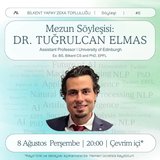
appliedmldays.orgApplied Machine Learning Days (AMLD) 2025Davetli konuşmacı, Bilkent AI Tech Talks — Yapay Zekâ ve Sosyal Medya
ais.bilkent.edu.trBilkent AI Tech TalksKonuşmacı ve panelist, The Scotsman Data Conference 2024: Data, Deepfakes and Democracy, Edinburgh
efi.ed.ac.ukThe Scotsman Data Conference 2024: Data, Deepfakes and DemocracyKonuşmacı ve panelist, HBKU Middle East Conference 2024: Gender, Technology, and Digital Cultures in the Middle East, Doha
hbku.edu.qaHBKU Middle East Conference 2024: Gender, Technology, and Digital Cultures in the Middle EastThis AI Makes You Think 2X Faster adlı kısa filmin promptlarını yazdım
 youtube.com
Öne çıkan
BBC'nin doğruluk kontrolü ekiplerine, yapay zekâ ile üretildiğinden şüphelenilen görsel ve videoların doğrulanması konusunda danışmanlık veriyorum
Öne çıkan
Öne çıkan
Generative AI Lab Fellow, Edinburgh Üniversitesi
gail.ed.ac.ukGenerative AI Lab FellowÖne çıkan
Edinburgh Üniversitesi kurulları: Etik, Öğretim, Bölüm Kurulu
Program komitesi üyeliği: WebSci, ICWSM, CySoc
Konferans hakemliği: Euro S&P 2021, EDBT 2021, ICDE 2020, IEEE CIC 2019, CIKM 2019, WISE 2018, IEEE Big Data 2018
Dergi hakemliği: Turkish J. of EE & CS, Online Social Networks and Media, EPJ Data Science, PeerJ
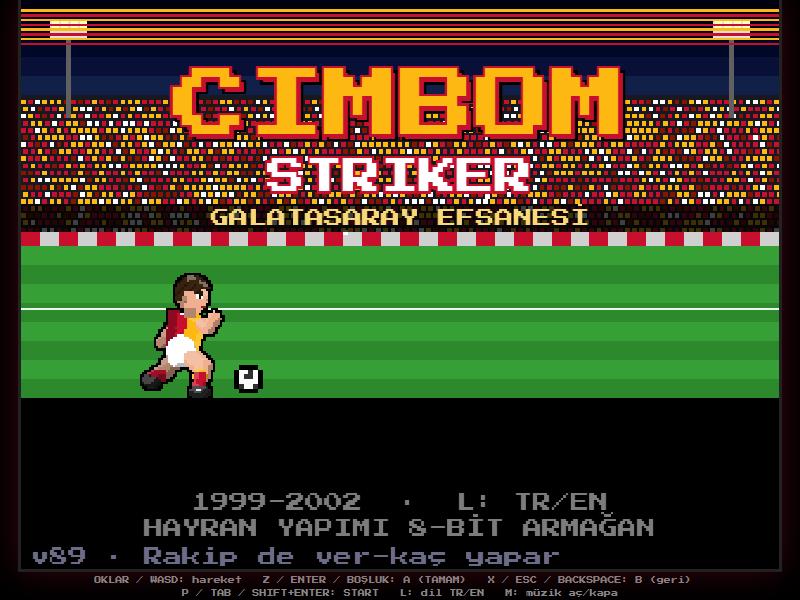
Yan projeler. Hayran yapımı, tarayıcıda oynanır.
Schengen Simulator. Vize memuru ol. Türkleri reddetmenin keyfine doy.
tugrulcan.com/schengen
Berlin Kongresi, 1878. 1878'de Balkanların en adil sınırlarını çiz, sonra tarihin nasıl geliştiğini izle.
tugrulcan.com/berlin
Çeşitli, ama hepsi doğru.
Popüler Türkçe blog azimliyazar.blogspot.com'un (4 milyondan fazla görüntülenme) kimliği açığa çıkan yazarı
azimliyazar.blogspot.comazimliyazar.blogspot.comBaşkan, İsviçre Türk Öğrenci Derneği (2019–2021)
Bilkent Üniversitesi Ultimate Frizbi (2015–2017), Eskrim (2017) ve Oryantiring (2015) takımları
Her makale bir gönderi, en yeniden eskiye. Özet ve bağlantılar için birine dokun.
32 makaleden 32 tanesi gösteriliyor
Analysis of 270k Reddit posts shows AI-in-education discourse shifted from detection-evasion to enforcement — adversarial integrity disputes, mostly student-initiated, dominate the rare cross-role faculty-student contact
Özet
Generative Artificial Intelligence (GenAI) has prompted significant discussion in education, yet large-scale empirical evidence on how students and teachers perceive and navigate this shift remains limited. We analyse 270k AI-related Reddit posts and comments from 26 education-related subreddits spanning higher education, K-12 teaching, and professional training between November 2022 and April 2026. Topic modelling reveals seventeen themes covering academic integrity, teaching & pedagogy, career anxiety, policy, and niche professional contexts. Discourse evolves from an early detection-and-evasion arms race into a sustained enforcement regime that constructive integration only begins to challenge in mid-2024. Stakeholder communities differ sharply: K-12 teachers foreground cognitive dependency, academics focus on AI detection and deliberation, and professional-programme students concentrate on career anxiety. Sentiment correlates strongly negatively with engagement, showing adversarial enforcement themes mobilise communities far more than constructive integration discourse. Examining where faculty and students meet, we find 17% of threads are cross-role, and one third of such contact occurs in the adversarial themes AI Detection and Misconduct Enforcement. Students initiate 68% of mixed threads, but faculty produce most cross-role replies. Mixed threads contain 2-3 times more records and last 2-4 times longer than same-role threads, making adversarial integrity disputes the center of sustained faculty-student contact. We discuss implications for governance, pedagogical design, and cross-role contact design. The code and data is available
Over a million Botometer queries show public bot suspicion spikes during platform crises like the Musk-Twitter dispute and tracks real automation signals — query logs are a new lens on audit-tool use
Özet
We study private bot-checking behavior from the demand side: when people suspect an account is automated, whom they suspect, and what follows. Using Botometer's server-side query logs, the most widely used bot-detection service, we treat each query as a behavioural trace of suspicion. We analyze over 1 million public checks of Twitter accounts from 2020 to 2023, enriched with 3.2 billion tweets from the contemporaneous 1% public stream. Collective suspicion spikes with platform crises, most sharply around the 2022 Musk-Twitter bot dispute. Checked accounts are older and more prolific, have more followers, and post promotional, political, and crypto content. Accounts that draw collective suspicion have higher bot scores and are more likely to be suspended. Bot-related public attention and Botometer activity are elevated during the same broad periods, although their short-run fluctuations are largely uncoupled. Public feedback focuses on first-person identity claims for humans, and evidence-based arguments citing posting rate, political content, and cross-account coordination for bots and cyborgs. Bot suspicion thus constitutes a mass, distributed form of platform auditing that tracks meaningful signals of automation, establishing audit-tool query logs as a novel lens on public responses to platform manipulation.
Tuğrulcan Elmas yeniden paylaştı
Across 14 models and 32,340 responses to user pushback, LLMs validate users 85% of the time yet keep their original claim 65% — and 59% of apologies still maintain it
Özet
Large language models are increasingly used as sources of advice and information, including in high-stakes settings, yet little is known about how they respond to user disagreement. We study how a model manages its epistemic authority, referring here to its claim to knowledge, competence, or the right to advise, once a user challenges its answer. Building on Conversation Analysis, we introduce a taxonomy of six challenge types and a four-layer framework for analysing each response: whether the original claim is maintained or changed, where authority is located, how the disagreement is socially managed, and what kind of evidential support is offered. We construct a new dataset of 2,310 controlled challenge scenarios and 32,340 corresponding responses from 14 models, and analyse them using our framework with an LLM-as-judge pipeline, providing a vocabulary which future evaluation and benchmark design can build on. We find that models show conflicting behaviour: they validate users in 85% of responses but maintain their original claim in 65%. They explicitly apologise in 33% of responses, yet 59% of those apologies accompany maintenance of the original claim. They transfer authority most often in advice tasks, doing so in 28% of responses and reaching 57% in health advice and 49% in legal advice, compared with 6% in fact and 3% in explanation tasks. Abandonment of the original claim ranges from 0.8% for GPT-5.2 to 40% for DeepSeek 7B, while complete replacement of the original claim is rare overall at 1.5%.
Tuğrulcan Elmas yeniden paylaştı
Reddit users act on AI legal advice because it sounds like a lawyer and reassures, not because it is verified — most narratives skip verification entirely
Özet
Large language models (LLMs) are increasingly used by laypeople to resolve real legal problems, against a backdrop of persistent access-to-justice deficits. This article presents evidence that the practical force of AI-generated legal advice depends not on its accuracy but on the social production of its credibility. While existing research has assessed the accuracy of legal AI, less is known about how machine-generated guidance is verified and made credible enough for lay users to act on. Drawing on a dual-method analysis of 153 Reddit narratives and 5,341 community reactions, this article maps a spectrum of verification practices. At one end, a minority of users verify AI-generated legal advice by triangulating across models, and some submit AI-generated guidance to platform communities for evaluation before acting, a configuration we term distributed counsel. Far more commonly, however, narratives are silent on verification. AI-generated legal advice is acted on the strength of its lawyer-like form and emotional reassurance alone. These findings show that AI-assisted legal self-help operates within an emerging informal infrastructure which redistributes the work of verification to those least equipped to bear it.
Tuğrulcan Elmas yeniden paylaştı
UK VPN searches rose 147% at the July 2025 age-verification deadline, driven by privacy and surveillance concerns, and stayed elevated a year later
Özet
Governments worldwide are increasingly regulating digital platforms to reduce online harms, but access restrictions can alter user behaviour and create new privacy risks. The UK Online Safety Act, passed in 2023, rolled out in phases - illegal-content enforcement in March 2025 and mandatory age verification in July 2025. We analyse Reddit discourse across VPN and UK Politics communities and conduct a privacy-policy risk analysis of 69 VPN services. We find that the behavioural response is concentrated at the July 2025 deadline, when platforms hosting pornographic content were required to deploy age checks. UK VPN search interest on Google increased by 147% at this deadline. UK-resident users' VPN-subreddit activity increased by 145%. Their regulatory- or privacy-related VPN posts and comments rose by 1,265% at this deadline. UK Politics communities show the same concentration at a larger magnitude, with OSA-related political discourse rising by 1481%. These effects were far smaller or statistically indistinguishable from pre-existing trends at Royal Assent and the illegal-harms enforcement deadline, indicating that the deployed age checks drove the response. Users primarily frame this response around privacy, surveillance, and distrust of age-verification intermediaries rather than access-seeking, with near-zero genuine pro-OSA sentiment across two independent classifiers. Several users noted that those least able to pay for reputable VPNs are most likely to turn to free services that monetise their data. Search attention increases across all disclosed privacy-risk categories, with no evidence of a shift toward higher-risk VPN providers. Crucially, after a full year, this attention is still elevated, arguing against a temporary news-cycle reaction. Thus, online safety regulation may create secondary privacy costs without disproportionately directing attention toward higher-risk VPNs.
Tuğrulcan Elmas yeniden paylaştı
TRACE-Inset: Unified Whole-Image and Partial-Match Image Retrieval with Vision-Language Embeddings
An Optimistic Outlook on Teaching, Learning and Assessment for Coding With the Emergence of Generative AI
Tuğrulcan Elmas yeniden paylaştı
TruFor is the most consistent image-forgery detector but degrades on edits from tools like Nano Banana — applied to Russian troll images from 2016, it shows low-effort meme edits mainly targeted Hillary Clinton, Bill Clinton, and Barack Obama
Özet
Generative AI tools have increased the scale and accessibility of deceptive image creation, but the robustness of existing forgery detection methods under emerging editing tools and real-world social media conditions remains uncertain. This study evaluates state-of-the-art image forgery detectors on recent benchmarks and applies the strongest model to a historical influence-campaign case study: Russian troll activity during the 2016 U.S. presidential election. We find that TruFor is the most consistent detector across legacy and recent datasets, but that its performance degrades on edits produced by advanced tools such as Nano Banana. We then deploy a multimodal pipeline combining forgery localization, Optical Character Recognition (OCR), face recognition, and visual-language-model-based annotation to characterize manipulated images in the campaign. Our analysis suggests that Russian troll accounts relied primarily on low-effort meme-style edits and ridicule-oriented reputation attacks, disproportionately targeting prominent U.S. political figures including Hillary Clinton, Bill Clinton, and Barack Obama.
Reddit's r/RealOrAI community collectively spots AI-generated media with 72% accuracy despite individuals relying mostly on surface-level perceptual cues rather than rarer provenance checks
Özet
We study human AI-detection behaviour at scale using a year of activity from r/RealOrAI, a Reddit community where users collaboratively assess whether visual media is real or AI-generated. The community is moderated by a bot that solicits verified labels from submitters of self-challenging "[GUESS]" posts and publishes an aggregate community prediction for each post, yielding naturalistic ground truth at scale. Community detection accuracy reaches 72% on [GUESS] posts with a systematic false-positive bias that intensifies over the year as the community's AI-suspicion grows. Using a six-LLM ensemble validated against human-annotated ground truth, we classify 10k reasoning-bearing comments along six cues covering perceptual features, context, consistency, AI knowledge, subject-matter expertise and provenance (tracing the media to its source). Perceptual features (scene, visual artifacts, anatomy physics, lighting, behavior, text, audio) dominate reasoning (70%) while provenance verification is rarest (4%) at the individual level but is amplified 4.3x in community summaries, revealing aggregation as a reliability filter that selectively surfaces diagnostic evidence. These findings reveal the limits of heuristic-based detection and show how online communities collectively navigate an increasingly contested information environment.
11 coordinated groups pushed narratives during the 2023 Israel-Hamas War on X using low-complexity retweet and copy-paste tactics, revealing a fragmented rather than centrally-controlled manipulation landscape
Özet
Coordinated campaigns on social media play a critical role in shaping crisis information environments, particularly during the onset of conflicts when uncertainty is high and verified information is scarce. We study the interplay between coordinated campaigns and information integrity through a case study of the 2023 Israel-Hamas War on Twitter (X). We analyze 4.5 million tweets and employ established coordination detection methods to identify 11 coordinated groups involving 541 accounts. We characterize these groups through a multimodal analysis that includes topics, account amplification, toxicity, emotional tone, visual themes, and misleading claims. Our analysis reveal that coordinated campaigns rely predominantly on low-complexity tactics, such as retweet amplification and copy-paste diffusion, and promote distinct narratives consistent with a fragmented manipulation landscape, without centralized control.
Mainstream gendered communication patterns persist on Truth Social — women politicians use more fear rhetoric and get higher engagement than men on the far-right platform
Özet
The influence of gender on online political communication remains contested, with existing scholarship providing mixed evidence as to whether gender shapes political messaging in digital environments. However, this debate has largely centred on mainstream platforms such as X (formerly Twitter), leaving the dynamics of alt-tech social media underexamined. This paper addresses this gap by analysing gendered patterns of political communication on Truth Social, a hyper-partisan platform that functions as a hub for the most committed followers of the American far right, a community closely associated with hegemonic masculine norms. To address this gap, we present the first large-scale analysis of political elite communication on Truth Social, using a novel dataset of 107k posts from 129 U.S. political figures. We examine the extent to which gender influences rhetorical style, topic framing, and audience engagement. We find that many gendered communication patterns documented on mainstream platforms persist on Truth Social. In particular, women political elites tend to express more joy and less anger than men and receive significantly higher levels of audience engagement. At the same time, more nuanced differences emerge. Although men and women political elites discuss largely similar conservative themes, they differ in how these issues are framed and in the rhetorical strategies employed. Notably, posts associated with women political elites contain higher levels of fear-based rhetoric, potentially suggesting selective adaptation in communicative style to navigate gender norms on the platform. These findings suggest that on Truth Social, an alt-tech platform with distinct ideological characteristics, mainstream gendered constraints persist, but are expressed through platform-specific communicative patterns shaped by its partisan orientation and sociotechnical environment.
Tuğrulcan Elmas yeniden paylaştı
Truth Social hosts grievance-driven narratives while conservative Reddit focuses on policy debates — toxicity is paradoxically higher on Reddit
Özet
We present the first large-scale comparative analysis of Truth Social and the most popular conservative Reddit communities, r/Conservative, r/conservatives, and r/Republican. Using topic modeling with FASTopic and LLM-assisted refinement, we analyze topic prevalence, toxicity, and temporal dynamics across these communities during the first eight months of Truth Social. We find clear contrasts: Truth Social centers on grievance and narrative-driven content, while Reddit focuses more on policy debates. Toxicity is higher on Reddit and peaks in cultural and leader-focused topics. Despite similar event-driven participation shocks across platforms, Truth Social shows higher baseline proportions of users engaging with political topics. Our findings contribute to understanding how alternative right-leaning platforms reshape online discourse.
Tuğrulcan Elmas yeniden paylaştı
Country-level content withholding on X reduces engagement by 25% and follower growth by 90% when the censored region matches the account's primary audience
Özet
State and geopolitical censorship on Twitter, now X, has been turning into a routine, raising concerns about the boundaries between criminal content and freedom of speech. One such censorship practice, withholding content in a particular state has renewed attention due to Elon Musk's apparent willingness to comply with state demands. In this study, we present the first quantitative analysis of the impact of state censorship by withholding on social media using a dataset in which two prominent patterns emerged: Russian accounts censored in the EU for spreading state-sponsored narratives, and Turkish accounts blocked within Turkey for promoting militant propaganda. We find that censorship has little impact on posting frequency but significantly reduces likes and retweets by 25%, and follower growth by 90%-especially when the censored region aligns with the account's primary audience. Meanwhile, some Russian accounts continue to experience growth as their audience is outside the withholding jurisdictions. We develop a user-level binary classifier with a transformer backbone and temporal aggregation strategies, aiming to predict whether an account is likely to be withheld. Through an ablation study, we find that tweet content is the primary signal in predicting censorship, while tweet metadata and profile features contribute marginally. Our best model achieves an F1 score of 0.73 and an AUC of 0.83. This work informs debates on platform governance, free speech, and digital repression.
Density-aware random walks on engagement graphs improve coordinated campaign detection by up to 12% over standard GNNs on large-scale Twitter trend data
Özet
Coordinated campaigns frequently exploit social media platforms by artificially amplifying topics, making inauthentic trends appear organic, and misleading users into engagement. Distinguishing these coordinated efforts from genuine public discourse remains a significant challenge due to the sophisticated nature of such attacks. Our work focuses on detecting coordinated campaigns by modeling the problem as a graph classification task. We leverage the recently introduced Large Engagement Networks (LEN) dataset, which contains over 300 networks capturing engagement patterns from both fake and authentic trends on Twitter prior to the 2023 Turkish elections. The graphs in LEN were constructed by collecting interactions related to campaigns that stemmed from ephemeral astroturfing. Established graph neural networks (GNNs) struggle to accurately classify campaign graphs, highlighting the challenges posed by LEN due to the large size of its networks. To address this, we introduce a new graph classification method that leverages the density of local network structures. We propose a random weighted walk (RWW) approach in which node transitions are biased by local density measures such as degree, core number, or truss number. These RWWs are encoded using the Skip-gram model, producing density-aware structural embeddings for the nodes. Training message-passing neural networks (MPNNs) on these density-aware embeddings yields superior results compared to the simpler node features available in the dataset, with nearly a 12% and 5% improvement in accuracy for binary and multiclass classification, respectively. Our findings demonstrate that incorporating density-aware structural encoding with MPNNs provides a robust framework for identifying coordinated inauthentic behavior on social media networks such as Twitter.
Tuğrulcan Elmas yeniden paylaştı
Topic type drives cross-partisan Twitter interactions more than user ideology — Democrats cross-engage more but also more negatively than Republicans
Özet
Many social media studies argue that social media creates echo chambers where some users only interact with peers of the same political orientation. However, recent studies suggest that a substantial amount of Cross-Partisan Interactions (CPIs) do exist - even within echo chambers, but they may be toxic. There is no consensus about how such interactions occur and when they lead to healthy or toxic dialogue. In this paper, we study a comprehensive Twitter dataset that consists of 3 million tweets from 2020 related to the U.S. context to understand the dynamics behind CPIs. We investigate factors that are more associated with such interactions, including how users engage in CPIs, which topics are more contentious, and what are the stances associated with healthy interactions. We find that CPIs are significantly influenced by the nature of the topics being discussed, with politically charged events acting as strong catalysts. The political discourse and pre-established political views sway how users participate in CPIs, but the direction in which users go is nuanced. While Democrats engage in cross-partisan interactions slightly more frequently, these interactions often involve more negative and nonconstructive stances compared to their intra-party interactions. In contrast, Republicans tend to maintain a more consistent tone across interactions. Although users are more likely to engage in CPIs with popular accounts in general, this is less common among Republicans who often engage in CPIs with accounts with a low number of followers for personal matters. Our study has implications beyond Twitter as identifying topics with low toxicity and high CPI can help highlight potential opportunities for reducing polarization while topics with high toxicity and low CPI may action targeted interventions when moderating harm.
LEN dataset of 300+ large engagement networks from Twitter exposes the limits of state-of-the-art GNNs in distinguishing astroturfing campaigns from organic trends
Özet
Social media users and inauthentic accounts, such as bots, may coordinate in promoting their topics. Such topics may give the impression that they are organically popular among the public, even though they are astroturfing campaigns that are centrally managed. It is challenging to predict if a topic is organic or a coordinated campaign due to the lack of reliable ground truth. In this paper, we create such ground truth by detecting the campaigns promoted by ephemeral astroturfing attacks. These attacks push any topic to Twitter's (X) trends list by employing bots that tweet in a coordinated manner in a short period and then immediately delete their tweets. We manually curate a dataset of organic Twitter trends. We then create engagement networks out of these datasets which can serve as a challenging testbed for graph classification task to distinguish between campaigns and organic trends. Engagement networks consist of users as nodes and engagements as edges (retweets, replies, and quotes) between users. We release the engagement networks for 179 campaigns and 135 non-campaigns, and also provide finer-grain labels to characterize the type of the campaigns and non-campaigns. Our dataset, LEN (Large Engagement Networks), is available in the URL below. In comparison to traditional graph classification datasets, which are small with tens of nodes and hundreds of edges at most, graphs in LEN are larger. The average graph in LEN has ~11K nodes and ~23K edges. We show that state-of-the-art GNN methods give only mediocre results for campaign vs. non-campaign and campaign type classification on LEN. LEN offers a unique and challenging playfield for the graph classification problem. We believe that LEN will help advance the frontiers of graph classification techniques on large networks and also provide an interesting use case in terms of distinguishing coordinated campaigns and organic trends.
Coordinated reply attacks in influence operations primarily target journalists and politicians — ML classifiers detect them with AUC 0.97 using targets as sensors
Özet
Coordinated reply attacks are a tactic observed in online influence operations and other coordinated campaigns to support or harass targeted individuals, or influence them or their followers. Despite its potential to influence the public, past studies have yet to analyze or provide a methodology to detect this tactic. In this study, we characterize coordinated reply attacks in the context of influence operations on Twitter. Our analysis reveals that the primary targets of these attacks are influential people such as journalists, news media, state officials, and politicians. We propose two supervised machine-learning models, one to classify tweets to determine whether they are targeted by a reply attack, and one to classify accounts that reply to a targeted tweet to determine whether they are part of a coordinated attack. The classifiers achieve AUC scores of 0.88 and 0.97, respectively. These results indicate that accounts involved in reply attacks can be detected, and the targeted accounts themselves can serve as sensors for influence operation detection.
Exposure to low-credibility news is strongly associated with hate speech production on Twitter, with mitigating both likely to have synergistic effects
Özet
Hate speech on social media is a pressing concern. Understanding the factors associated with hate speech may help mitigate it. Here we explore the association between hate speech and exposure to fake news by studying the correlation between exposure to news from low-credibility sources through following connections and the use of hate speech on Twitter. Using news source credibility labels and a dataset of posts with hate speech targeting various populations, we find that hate speakers are exposed to lower percentages of posts linking to credible news sources. When taking the target population into account, we find that this association is mainly driven by anti-semitic and anti-Muslim content. We also observe that hate speakers are more likely to be exposed to low-credibility news with low popularity. Finally, while hate speech is associated with low-credibility news from partisan sources, we find that those sources tend to skew to the political left for antisemitic content and to the political right for hate speech targeting Muslim and Latino populations. Our results suggest that mitigating fake news and hate speech may have synergistic effects.
First large-scale analysis of follow-back accounts on X reveals 12 politically-motivated communities across countries that artificially inflate follower counts
Özet
Follow back accounts inflate their follower counts by engaging in reciprocal followings. Such accounts manipulate the public and the algorithms by appearing more popular than they really are. Despite their potential harm, no studies have analyzed such accounts at scale. In this study, we present the first large-scale analysis of follow back accounts. We formally define follow back accounts and employ a honeypot approach to collect a dataset of such accounts on X (formerly Twitter). We discover and describe 12 communities of follow back accounts from 12 different countries, some of which exhibit clear political agenda. We analyze the characteristics of follow back accounts and report that they are newer, more engaging, and have more followings and followers. Finally, we propose a classifier for such accounts and report that models employing profile metadata and the ego network demonstrate promising results, although achieving high recall is challenging. Our study enhances understanding of the follow back accounts and discovering such accounts in the wild.
YouTube Shorts attract more views and likes than regular videos but fewer comments — new channels adopted Shorts faster than regular video production within two years
Özet
YouTube introduced the Shorts video format in 2021, allowing users to upload short videos that are prominently displayed on its website and app. Despite having such a large visual footprint, there are no studies to date that have looked at the impact Shorts introduction had on the production and consumption of content on YouTube. This paper presents the first comparative analysis of YouTube Shorts versus regular videos with respect to user engagement (i.e., views, likes, and comments), content creation frequency and video categories. We collected a dataset containing information about 70k channels that posted at least one Short, and we analyzed the metadata of all the videos (9.9M Shorts and 6.9M regular videos) they uploaded between January 2021 and December 2022, spanning a two-year period including the introduction of Shorts. Our longitudinal analysis shows that content creators consistently increased the frequency of Shorts production over this period, especially for newly-created channels, which surpassed that of regular videos. We also observe that Shorts target mostly entertainment categories, while regular videos cover a wide variety of categories. In general, Shorts attract more views and likes per view than regular videos, but attract less comments per view. However, Shorts do not outperform regular videos in the education and political categories as much as they do in other categories. Our study contributes to understanding social media dynamics, to quantifying the spread of short-form content, and to motivating future research on its impact on society.
Tweets go viral when retweets exceed 2.16× the author's follower count — a transformer model detects virality early with F1 0.79
Özet
Social media posts may go viral and reach large numbers of people within a short period of time. Such posts may threaten the public dialogue if they contain misleading content, making their early detection highly crucial. Previous works proposed their own metrics to annotate if a tweet is viral or not in order to automatically detect them later. However, such metrics may not accurately represent viral tweets or may introduce too many false positives. In this work, we use the ground truth data provided by Twitter's Viral Tweets topic to review the current metrics and also propose our own metric. We find that a tweet is more likely to be classified as viral by Twitter if the ratio of retweets to its author's followers exceeds some threshold. We found this threshold to be 2.16 in our experiments. This rule results in less false positives although it favors smaller accounts. We also propose a transformers-based model to early detect viral tweets which reports an F1 score of 0.79. The code and the tweet ids are publicly available.
Over 212K astrobots targeting Turkish Twitter trends were purged 6 times since 2018 — adversaries counter by pre-aging accounts with no other activity
Özet
Twitter bots amplify target content in a coordinated manner to make them appear popular, which is an astroturfing attack. Such attacks promote certain keywords to push them to Twitter trends to make them visible to a broader audience. Past work on such fake trends revealed a new astroturfing attack named ephemeral astroturfing that employs a very unique bot behavior in which bots post and delete generated tweets in a coordinated manner. As such, it is easy to mass-annotate such bots reliably, making them a convenient source of ground truth for bot research. In this paper, we detect and disclose over 212,000 such bots targeting Turkish trends, which we name astrobots. We also analyze their activity and suspension patterns. We found that Twitter purged those bots en-masse 6 times since June 2018. However, the adversaries reacted quickly and deployed new bots that were created years ago. We also found that many such bots do not post tweets apart from promoting fake trends, which makes it challenging for bot detection methods to detect them.
Retrospective social media data collection is politically biased — right-aligned content disappears faster, skewing datasets leftward through account suspensions
Özet
Social media studies often collect data retrospectively to analyze public opinion. Social media data may decay over time and such decay may prevent the collection of the complete dataset. As a result, the collected dataset may differ from the complete dataset and the study may suffer from data persistence bias. Past research suggests that the datasets collected retrospectively are largely representative of the original dataset in terms of textual content. However, no study analyzed the impact of data persistence bias on social media studies such as those focusing on controversial topics. In this study, we analyze the data persistence and the bias it introduces on the datasets of three types: controversial topics, trending topics, and framing of issues. We report which topics are more likely to suffer from data persistence among these datasets. We quantify the data persistence bias using the change in political orientation, the presence of potentially harmful content and topics as measures. We found that controversial datasets are more likely to suffer from data persistence and they lean towards the political left upon recollection. The turnout of the data that contain potentially harmful content is significantly lower on non-controversial datasets. Overall, we found that the topics promoted by right-aligned users are more likely to suffer from data persistence. Account suspensions are the primary factor contributing to data removals, if not the only one. Our results emphasize the importance of accounting for the data persistence bias by collecting the data in real time when the dataset employed is vulnerable to data persistence bias.
Over 100K Twitter accounts covertly change identity to hijack existing follower counts — adversaries deliberately target high-follower accounts for repurposing
Özet
We present the first in-depth and large-scale study of misleading repurposing, in which a malicious user changes the identity of their social media account via, among other things, changes to the profile attributes in order to use the account for a new purpose while retaining their followers. We propose a definition for the behavior and a methodology that uses supervised learning on data mined from the Internet Archive's Twitter Stream Grab to flag repurposed accounts. We found over 100,000 accounts that may have been repurposed. We also characterize repurposed accounts and found that they are more likely to be repurposed after a period of inactivity and deleting old tweets. We also provide evidence that adversaries target accounts with high follower counts to repurpose, and some make them have high follower counts by participating in follow-back schemes. The results we present have implications for the security and integrity of social media platforms, for data science studies in how historical data is considered, and for society at large in how users can be deceived about the popularity of an opinion.
ChatGPT predicts Turkish election voting intentions from YouTube interview captions with 97% candidate accuracy — a scalable alternative to traditional polling
Özet
Opinion mining plays a critical role in understanding public sentiment and preferences, particularly in the context of political elections. Traditional polling methods, while useful, can be expensive and less scalable. Social media offers an alternative source of data for opinion mining but presents challenges such as noise, biases, and platform limitations in data collection. In this paper, we propose a novel approach for opinion mining, utilizing YouTube's auto-generated captions from public interviews as a data source, specifically focusing on the 2023 Turkish elections as a case study. We introduce an opinion mining framework using ChatGPT to mass-annotate voting intentions and motivations that represent the stance and frames prior to the election. We report that ChatGPT can predict the preferred candidate with 97% accuracy and identify the correct voting motivation out of 13 possible choices with 71% accuracy based on the data collected from 325 interviews. We conclude by discussing the robustness of our approach, accounting for factors such as captions quality, interview length, and channels. This new method will offer a less noisy and cost-effective alternative for opinion mining using social media data.
Adversaries hijack compromised social media accounts to attack trending algorithms, pose as retweet bots, and get repurposed after periods of dormancy — this thesis details detection methods for each tactic
Özet
In recent years there has been a marked increase in disinformation, including as part of a strategy of so-called hybrid warfare. Adversaries not only directly spread misleading content but manipulate social media by employing sophisticated techniques that exploit platform vulnerabilities and avoid detection. It is getting increasingly important to analyze social media manipulation to better understand, detect, and defend public dialogue against it. In this thesis, the author contributes to the research on social media manipulation by describing and analyzing how adversaries employ compromised social media accounts. The thesis provides a background of social media by describing the mechanisms and the influence of the platforms to better understand why adversaries target them, gives a detailed overview of social media manipulation and techniques to detect and counter it, and discusses three main contributions: 1) an extensive analysis of an attack on social media algorithms using compromised accounts, 2) a study of the implications of compromised bots for bot research through the characterization of retweet bots, and 3) a detection method to find compromised accounts that are later repurposed.
Black-market retweet bots mimic legitimate accounts to avoid detection — their behavior contradicts fundamental assumptions in prior bot detection research
Özet
Malicious Twitter bots are detrimental to public discourse on social media. Past studies have looked at spammers, fake followers, and astroturfing bots, but retweet bots, which artificially inflate content, are not well understood. In this study, we characterize retweet bots that have been uncovered by purchasing retweets from the black market. We detect whether they are fake or genuine accounts involved in inauthentic activities and what they do in order to appear legitimate. We also analyze their differences from human-controlled accounts. From our findings on the nature and life-cycle of retweet bots, we also point out several inconsistencies between the retweet bots used in this work and bots studied in prior works. Our findings challenge some of the fundamental assumptions related to bots and in particular how to detect them.
WayPop Machine: A Wayback Machine to Investigate Popularity and Root Out Trolls
At least 20% of Twitter's global top-10 trends are fake — coordinated accounts inflate topics then delete all traces, leaving no evidence of manipulation
Özet
We uncover a previously unknown, ongoing astroturfing attack on the popularity mechanisms of social media platforms: ephemeral astroturfing attacks. In this attack, a chosen keyword or topic is artificially promoted by coordinated and inauthentic activity to appear popular, and, crucially, this activity is removed as part of the attack. We observe such attacks on Twitter trends and find that these attacks are not only successful but also pervasive. We detected over 19,000 unique fake trends promoted by over 108,000 accounts, including not only fake but also compromised accounts, many of which remained active and continued participating in the attacks. Trends astroturfed by these attacks account for at least 20% of the top 10 global trends. Ephemeral astroturfing threatens the integrity of popularity mechanisms on social media platforms and by extension the integrity of the platforms.
Public dataset of 583K state-censored tweets from 2012–2020 enabling research on government censorship patterns and their effects on social media users
Özet
Many governments impose traditional censorship methods on social media platforms. Instead of removing it completely, many social media companies, including Twitter, only withhold the content from the requesting country. This makes such content still accessible outside of the censored region, allowing for an excellent setting in which to study government censorship on social media. We mine such content using the Internet Archive's Twitter Stream Grab. We release a dataset of 583,437 tweets by 155,715 users that were censored between 2012-2020 July. We also release 4,301 accounts that were censored in their entirety. Additionally, we release a set of 22,083,759 supplemental tweets made up of all tweets by users with at least one censored tweet as well as instances of other users retweeting the censored user. We provide an exploratory analysis of this dataset. Our dataset will not only aid in the study of government censorship but will also aid in studying hate speech detection and the effect of censorship on social media users. The dataset is publicly available.
Turkish men's rights groups reframed anti-Istanbul Convention disinformation to weaponize homophobia, broadening their audience to undermine women's rights
Özet
In March 2021, Turkey withdrew from The Istanbul Convention, a human-rights treaty that addresses violence against women, citing issues with the convention's implicit recognition of sexual and gender minorities. In this work, we trace disinformation campaigns related to the Istanbul Convention and its associated Turkish law that circulate on divorced men's rights Facebook groups. We find that these groups adjusted the narrative and focus of the campaigns to appeal to a larger audience, which we refer to as "tactical reframing." Initially, the men organized in a grass-roots manner to campaign against the Turkish law that was passed to codify the convention, focusing on one-sided custody and indefinite alimony. Later, they reframed their campaign and began attacking the Istanbul Convention, highlighting its acknowledgment of homosexuality. This case study highlights how disinformation campaigns can be used to weaponize homophobia in order to limit the rights of women. To the best of our knowledge, this is the first case study that analyzes a narrative reframing in the context of a disinformation campaign on social media.
Celebrity topic recommendations can bridge political echo chambers by exposing followers to contrarian content — first empirical test of celebrity-driven depolarization
Özet
Polarization is a growing, global problem. As such, many social media based solutions have been proposed in order to reduce it. In this study, we propose a new solution that recommends topics to celebrities to encourage them to join a polarized debate and increase exposure to contrarian content - bursting the filter bubble. Using a state-of-the art model that quantifies the degree of polarization, this paper makes a first attempt to empirically answer the question: Can celebrities burst filter bubbles? We use a case study to analyze how people react when celebrities are involved in a controversial topic and conclude with a list possible research directions.
Bu filtrelere uyan makale yok. Şüpheli derecede sessiz.
Bugün
Seninle nasıl çalışabilirim?
Görüldü
Hesaplamalı sosyal bilim, doğal dil işleme ve çevrimiçi güvenliğin kesiştiği araştırmalarımıza katılacak meraklı ve motive insanları her zaman arıyorum. Çalışmalarımız ilgini çekiyorsa bana yaz.
Doktora
Doktora öğrencilerimi Edinburgh Üniversitesi'ndeki CDT in Responsible Natural Language Processing programı üzerinden alıyorum. Program, güçlü bir kohort ve eğitim ortamıyla tam burslu dört yıllık doktora imkânı sunuyor. Benimle doktora yapmak istiyorsan CDT'ye başvur ve başvurunda adımı belirt.
Araştırma asistanlığı
Zaman zaman yüksek lisans ve lisans öğrencileri için araştırma asistanlığı fırsatlarım oluyor. Edinburgh Üniversitesi öğrencisiysen ve uygulamalı araştırma deneyimi kazanmak istiyorsan, geçmişini ve ilgi alanlarını anlatan kısa bir notla bana yazabilirsin.
Kendi masraflarını karşılayan, Edinburgh Üniversitesi'ne ve laboratuvarımıza yüz yüze gelecek misafir öğrencileri memnuniyetle ağırlıyorum. Çalışma mevzuatı nedeniyle Edinburgh Üniversitesi öğrencisi olmayanlar için ücretli stajımız yok. Çevrimiçi staj kabul etmiyoruz.